



"Just gross"— Council hears updates on invasive species from regional coordinators
- February 26, 2026
- Kym Buzdygon
The threat of invasive species continues to loom large in the Columbia River Basin, with the potential to significantly disrupt ecosystems and infrastructure. Ahead of National Invasives Species Awareness Week (February 23-27), the Council heard from a panel of regional experts on existing and emerging species of concern (read slides | watch presentation). Presenters included Jessica LaBelle, Invasive Species Program Specialist, Washington Invasive Species Council (WISC); Russ Hartzell , Program Coordinator, Montana Invasive Species Council (MISC); Keith DeHart, Invasive Species and Wildlife Integrity Coordinator for Oregon Department of Fish and Wildlife (ODFW); Blaine Parker, Invasive Species Project Lead, Columbia River Inter-Tribal Fish Commission (CRITFC); and Nic Zurfluh, Bureau Chief for Invasive Species, Noxious Weeds, and Range Programs, Idaho State Department of Agriculture (ISDA).
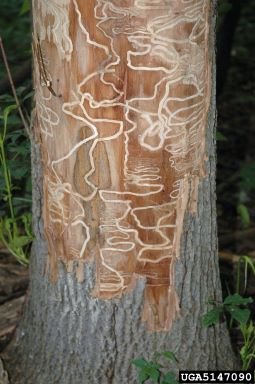
LaBelle (WISC) began with a presentation on the emerald ash borer. The ash borer, a small, metallic, green and copper woodboring insect, are native to northeast Asia and known to kill ash trees through their larvae’s distinctive and destructive feeding mechanism. The Pacific Northwest has one native ash tree, the Oregon ash (Fraxinus latifolia). The emerald ash borer was first found in Michigan in 2002, and has since been detected in 37 states, including Oregon, as well as in 6 Canadian provinces, including B.C. While the emerald ash borer was recently removed from the USDA Priority Pest List, limiting availability of federal funds, a group of state and federal agencies and other partners is developing the Washington State Emerald Ash Borer Resources and Management Guide. It is currently in the review phase and should be available soon.
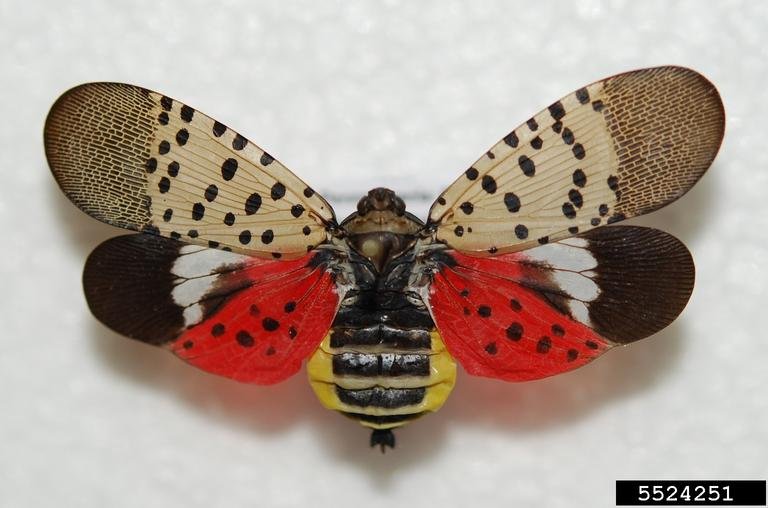
LaBelle also touched briefly on the spotted lanternfly, a pretty but pernicious planthopper insect native to parts of SE Asia that was introduced to the US. The spotted lanternfly is on the federal priority pest list, and Washington has created a state action plan in response. LaBelle encouraged reporting of these species via the WISC app or website.
Hartzell (MISC) followed LaBelle by introducing the Montana Invasive Species Council’s new campaign “Buy It Where You Burn It,” intended to reduce the movement of firewood that could be a vector of transport for pests like the emerald ash borer, the Asian longhorned beetle, and the spongy moth.
“We know that forest pests pose a significant threat to the forests of the West,” he said. “Awareness is important. Many people don’t understand that there’s a threat.” He agreed with LaBelle’s warnings, adding that like the spotted lanternfly, big infestations of the spongy moth are “just gross.”
Next, deHart (ODFW) shared updates on aquatic invasive species in Oregon. Zebra, quagga, and now golden mussels represent a significant threat to the Columbia River Basin. Dehart pointed to a bistate agreement between Oregon and Washington that laid the groundwork for coordinated public awareness, rapid response readiness, increased prevention efforts, and more research, much of which has since been implemented. DeHart also highlighted recent state legislation to support these efforts, including:
- HB2982 (2025), a bipartisan bill that strengthens Oregon’s ability to respond to aquatic invasive species by increasing funding through boating fees and expanding permit requirements
- HB2170 (2025), which authorized additional entities, like irrigation districts, tribes, and others, to perform watercraft inspections
- HB4134 (2026), known as the 1% for Wildlife Bill, which would increase the statewide lodging tax by 1.25% to raise funds for conservation, including the Oregon Invasive Species Council
Parker (CRITFC) discussed Invasive Species Resolutions introduced by both the Affiliated Tribes of Northwest Indians and the National Congress of American Indians, recognizing the importance of addressing invasive species and seeking increased and focused funding. According to the presentation, if all the land on reservations, ceded, and usual and accustomed lands were combined, it would make up the fifth-largest state in the US. Parker also covered CRITFC’s northern pike monitoring project, noting that increased eutrophication and macrophyte growth between Priest Rapids and Bonneville was creating more potential northern pike habitat.
Zurfluh (ISDA) focused on the mid-Snake quagga response in Idaho. In early spring 2025, Idaho formed a working group that was “hoping for the best, but planning for the worst,” said Zurfluh. The approach included increasing detection capability through expanded lab capacity and surveys. The 2025 survey showed a 50% decrease in area from 2024 where veligers and adult mussels were observed. The 2025 treatment period occurred from Sept. 30- Oct. 12, 2025, following detection on Sept. 12. A second panel, featuring representatives from the Okanagan Basin Water Board, Idaho Power Company, and Washington Department of Fish and Wildlife, presented additional information on efforts to prepare for, assess, and treat aquatic invasive species, particularly zebra, quagga, and golden mussels (read slides | watch presentation).
For more information:
Invasive and Non-Native Species (NWPCC)
North American Invasive Species Management Association- National Invasive Species Awareness Week
Washington Invasive Species Council
Montana Invasive Species Council