



Long-running Columbia Basin Water Transaction Program keeps water in streams for fish but faces new challenges
- March 26, 2026
- Kym Buzdygon
The Columbia Basin Water Transaction Program has been part of the Council’s Fish and Wildlife Program since the mid-1990s. It is administered through a partnership between Bonneville Power Administration (BPA) and the National Fish and Wildlife Foundation (NFWF) and implemented across the basin by Qualified Local Entities (QLEs), who are state, local, and tribal agencies, and nonprofit organizations that work directly with local water rights holders to develop, implement, and monitor voluntary water transactions. Increasing water flows is a key factor in improving habitat for anadromous and resident fish species.
“Simply put, without the Columbia Basin Water Transactions Program, many important tributaries for federally listed salmon and steelhead would run dry.” Greg Sieglitz, NOAA Fisheries
At the March meeting, Council members heard updates from Femke Freiberg and Alex Mahmoud (NFWF); and Matt Schwartz and Daniel Newberry (BPA) (read presentation | watch video).
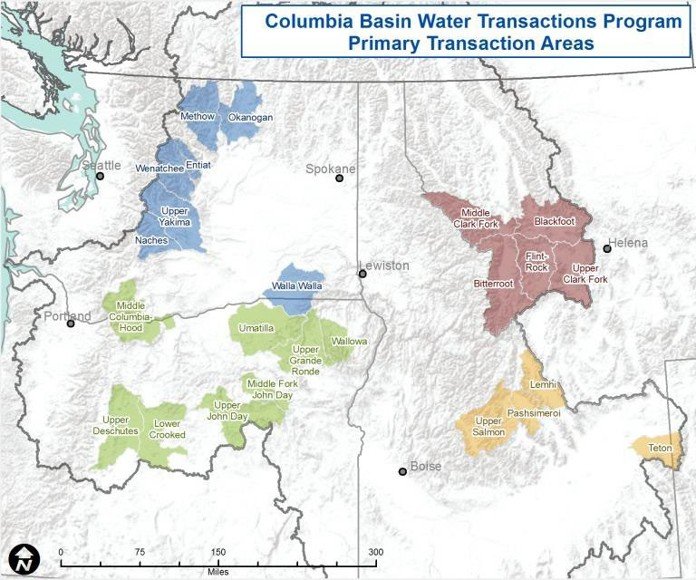
Organizations involved in reviewing and implementing projects include the U.S. Fish and Wildlife Service, NOAA Fisheries, the U.S. Forest Service, the Confederated Tribes of the Colville Reservation, the Confederated Tribes of the Umatilla Indian Reservation, the Clark Fork Coalition, Trout Unlimited, Washington Water Trust, Washington Department of Fish and Wildlife, County of Chelan, Idaho Water Resources Board, the Nez Perce Tribe, Oregon Department of Fish and Wildlife, and the Deschutes River Conservancy.
Transactions under the program began around 2002. Since then, there have been 725 water transactions resulting in about 3 million acre-feet (AF) to date, with an additional 14 million AF expected to be protected into the future. Two of the greatest strengths of the program, according to Freiberg, the Western Waters Program Director at NFWF, are the consistency and long-term growth of the program, as well as the ability to build trust and relationships with local communities through the QLEs. “Everything that we fund is voluntary. We’re not a regulatory program, we don’t fund anything related to litigation. Everything has to be people finding a workable solution that will keep the water user whole or have some sort of benefit for them and will protect water in-stream.”
Freiberg discussed efforts to better understand where water is flowing and how it’s benefiting fish, noting that in some cases, the CBWTP was responsible for up to 100% of the water in streams. She also announced a new dashboard tool that will provide a better and more granular understanding of where and how the transactions are benefiting fish as the program works to integrate water transactions with habitat restoration.
“The ripple effects of bringing these rivers back to life can’t be overstated. It’s for fish. It’s also for people. It’s for the overall system health. And it’s beautiful,” said Freiberg.
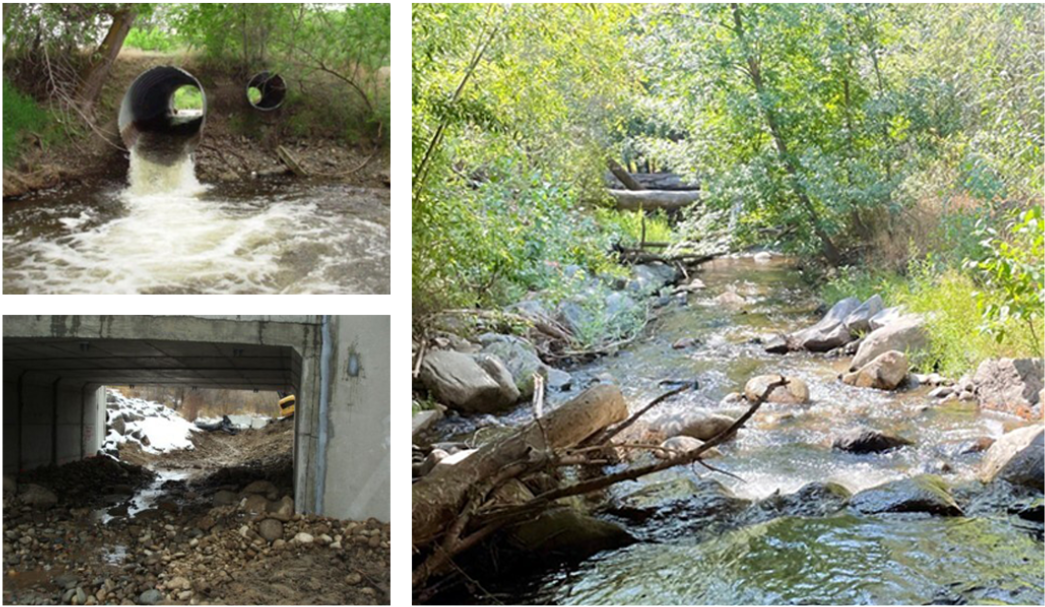
Challenges exist for growing and improving the program, including fewer opportunities for new transactions, the transactions moving towards more complicated and expensive infrastructure projects versus transactions with individual landowners, and a more competitive marketplace.
“I don’t think just putting more money in is the easiest answer,” said Schwartz, Fish and Wildlife Administrator with BPA, in response to a question from Idaho Council member Jeff Allen. “I think we need to work on some new solutions about how to get water in-stream.”