



Panel presents on pinniped predation
- March 26, 2026
- Kym Buzdygon
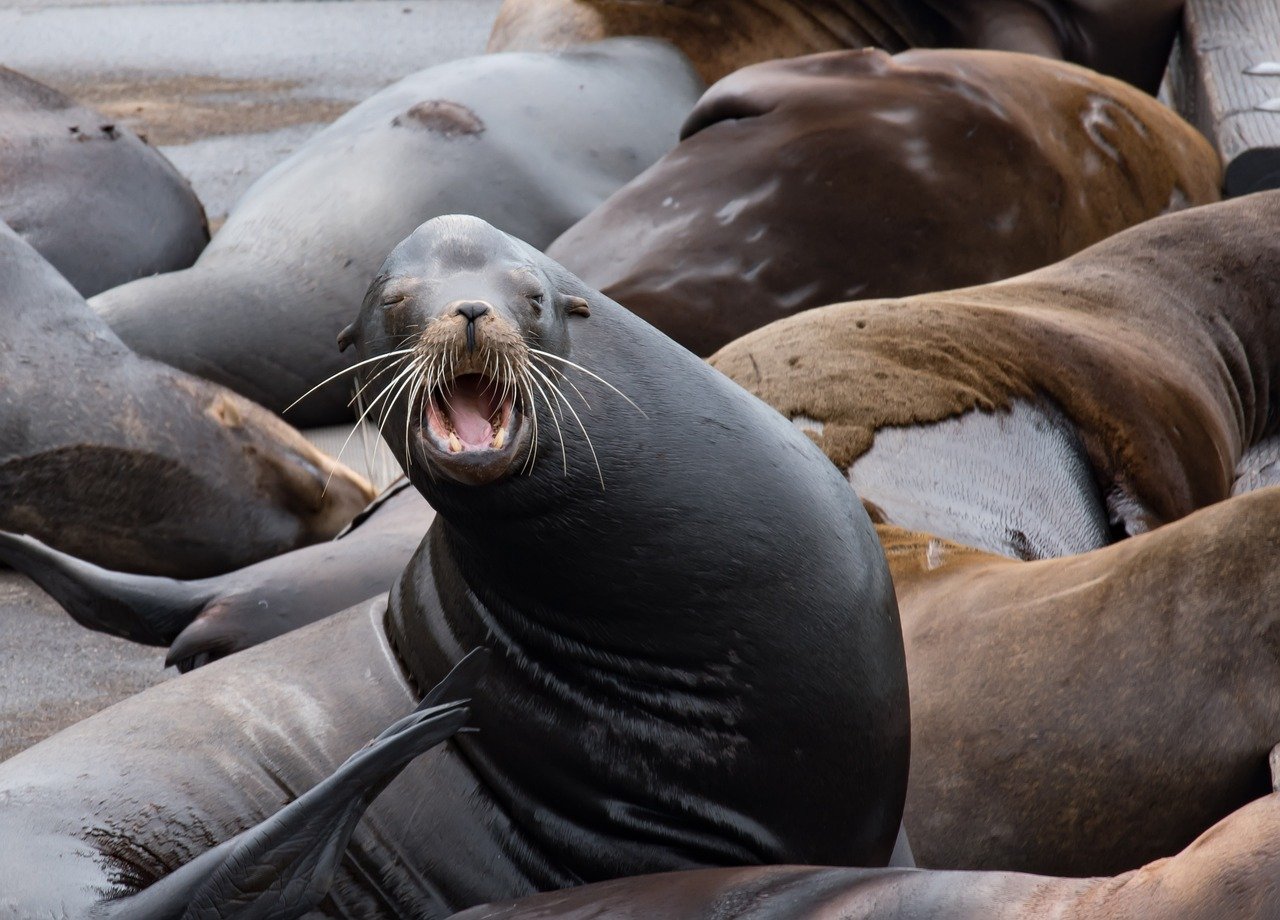
Sea lion predation on salmon and steelhead in the Columbia River Basin has been a source of increasing concern and study since the late 1990s. Predator management was articulated as an emerging priority in the 2014/2020 Fish and Wildlife Program and has been proposed as a priority in the 2026 Draft Fish and Wildlife Program. While sea lions are native to the Pacific Northwest and are natural predators of salmon, steelhead, and other native fish such as lamprey, the increasing number of sea lions, plus the presence of altered ecosystems and manmade structures in the basin, seem to be exacerbating the rate and level of predation on these species.
At its March meeting, the Council hosted a panel on pinniped predation that included Donella Miller, Columbia River Inter-Tribal Fish Commission (CRITFC) Fishery Science Department Manager; Doug Hatch, CRITFC Fishery Science Department Deputy Manager; Robert Anderson, NOAA Marine Biologist; Chris Magel, NOAA Natural Resource Management Specialist; Mike Brown, Oregon Department of Fish and Wildlife (ODFW) Marine Mammal Program Leader; Shay Valentine, ODFW Columbia River Project Leader; Casey Clark, Washington Department of Fish and Wildlife (WDFW) Lead Marine Mammal Researcher; John Edwards, WDFW Columbia River Sea Lion Biologist; and Sarah Maher, Idaho Department of Fish and Game (IDFG) Columbia River Coordinator (read presentation | watch video).
The goals of the Marine Mammal Protection Act of 1972 (MMPA) include maintaining populations at what biologists call an optimum sustainable population level, as well as restoring depleted stocks, reducing incidental mortality and injury, and minimizing interference with commercial fishing. Congress amended the MMPA in 1994 to allow for limited take under section 120 for individually identifiable sea lions that were having a significant negative impact on listed salmon and steelhead stocks. In March 2008, fish and wildlife managers received authorization to remove sea lions observed preying on salmon and steelhead below Bonneville Dam. The MMPA was further amended in 2020 to recognize some tribes as co-managers, and to allow an area-based approach as opposed to an individual-based approach to sea lion management in the Columbia River and its tributaries. Most recently, in December 2025, the House Natural Resources Committee held a hearing on sea lion predation in the Pacific Northwest.
According to NOAA's Anderson, a total of 517 sea lions have been removed under authorizations issued by the MMPA in the Columbia River Basin since 2008 (389 California Sea Lions and 116 Stellar Sea Lions, plus an additional 12 removed by ODFW).
“While these authorizations have done good at a small scale in certain areas, I think we’re still kind of falling short on achieving the overall goal of finding that balance between the ESA and the MMPA in advancing salmon recovery,” he said.
The estimated population size of California sea lions is 257,600, down from an estimated 306,000 in 2014; the estimated population of Stellar’s sea lions is about 77,000.
For next steps, Anderson recommended a package of adaptive management measures that should be considered together that included long-term funding, increased removals, a long-term management strategy to prevent future recruitment through migration barriers or similar methods, removal of manmade haul-out options, and more regulatory flexibility.
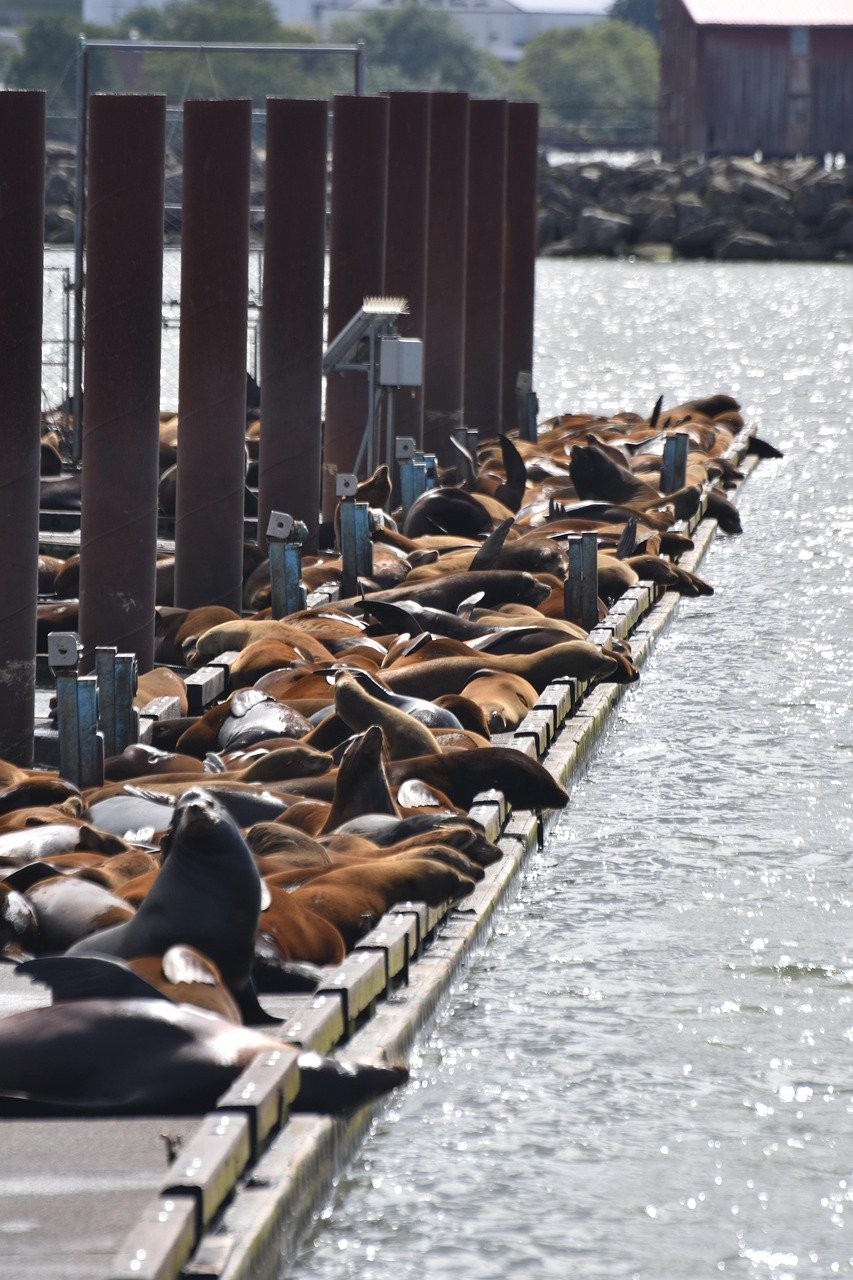
“This project is a…poster child for collaboration and cooperation between the states and tribes,” said CRITFC's Hatch, referring to sea lion removal efforts in the basin.
Hatch noted that only male sea lions are found in the Columbia River, which changes the calculations for management. “These are like managing elk, where you don’t need that many males to perpetuate the population.”
Sea lions and seals follow the spring smelt run up the Columbia, and then the majority drop back to the estuary and ocean. The timing of the run is key for potential impacts to salmon and steelhead, with later runs having a more significant impact.
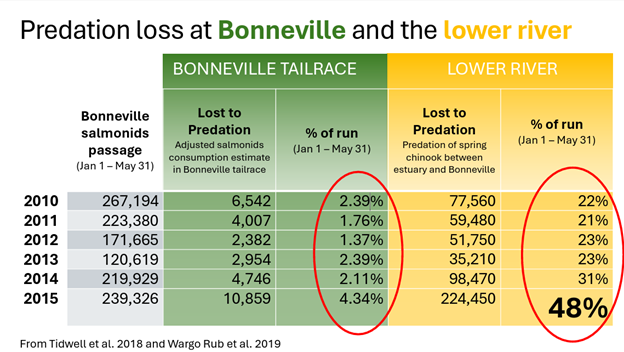
According to some studies, losses of spring Chinook to sea lion predation are in the range of 20-25% and could rise even higher in some years. However, for some of the years with the highest estimates- such as 2015, when loss of spring Chinook between the estuary and Bonneville due to pinniped predation was estimated at a whopping 48%- the researcher noted that the kind of tag being used to track fish may have actually been attracting pinnipeds, complicating survival rate reporting.
Hatch touted the benefits to anadromous fish of removing sea lions, with modeling showing up to 100,000 adult salmon saved between 2008 and 2023.
Willamette Falls has provided a case study of pinniped removal to protect winter steelhead. Efforts at the falls showed impressive results with a drop in pre-removal steelhead losses from 25% in 2017 to post-removal losses of about 2% in 2024. However, there are particular aspects to the Willamette Falls case, such as the fact that all the animals used a single haulout point, that may make it challenging to assume a similar level of success could occur across the basin. Hatch went on to describe challenges with additional removals, including the fact that most trappable haul-out sites are in the mainstem Columbia but permits only allow for removal in the tributaries. He also acknowledged a need for more funding for staff and gear.
CRITFC's Miller further expanded on recommendations for pinniped predation, including more management tools under the MMPA, expansion of tribal co-management authority, and increased monitoring.