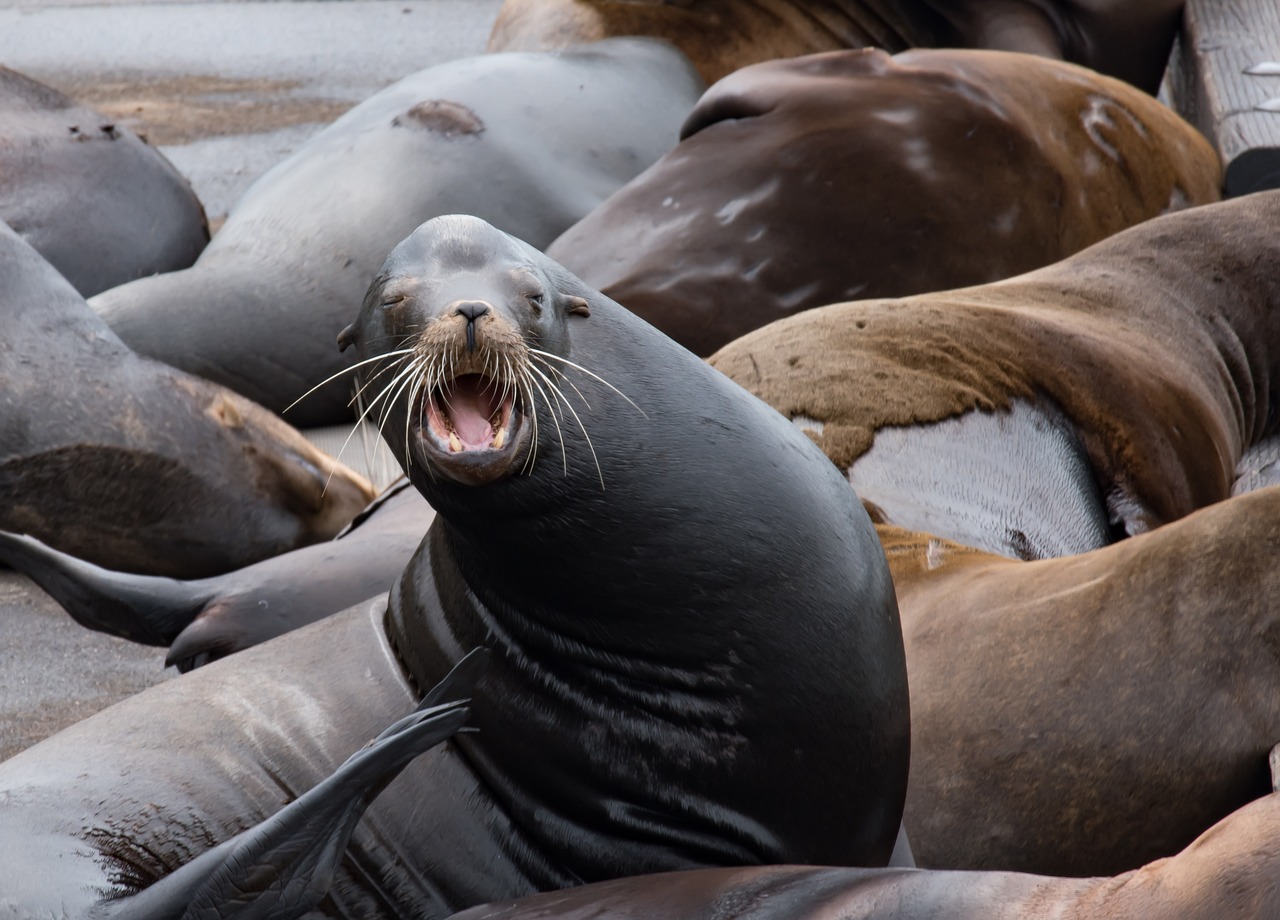

Panel presents on pinniped predation
- March 26, 2026
- Kym Buzdygon
Sea lion predation on salmon and steelhead in the Columbia River Basin remains a source of concern for regional fish and wildlife managers.
With millions of acre-feet of water protected but transactions growing more complex and costly, program administrators discuss future options.
Emerging technologies could reshape the way electricity is generated in the Pacific Northwest in the future, although major questions linger on their costs and timelines to commercial viability. Because these supply-side emerging technologies could play important roles in the future grid, the Council heard a briefing about three options at its February meeting in Portland.
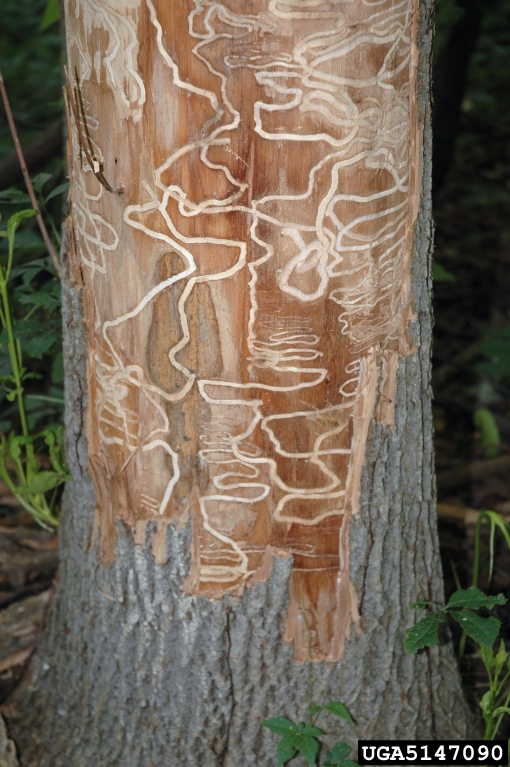
The threat of invasive species continues to loom large in the Columbia River Basin, with the potential to significantly disrupt ecosystems and infrastructure. Ahead of National Invasives Species Awareness Week (February 23-27), the Council heard from a panel of regional experts on existing and emerging species of concern.
Power Division staff are using a suite of advanced, innovative computer modeling tools as well as statistical methods to glean insights, test, and analyze future potential buildouts of the Northwest’s electricity grid over the next two decades. At February’s Council meeting, staff provided a primer on their modeling tools and statistical methods, as well as the type of data that will be available once modeling is completed this spring.
A building design standard for data centers in the Pacific Northwest could reduce peak energy consumption in their electrical and mechanical systems by one-fifth, the Council heard during a panel discussion at its January meeting in Portland. Additionally, panelists discussed programs allowing data center companies whose projects agree to load-flexibility requirements and other standards to speed through grid planning processes and get interconnected sooner.
At January’s Council meeting, Power Planning Director Jennifer Light provided an update on upcoming key points for developing the Ninth Power Plan in the first part of 2026, as well as an updated needs assessment.
Long-term, consistent operations that will support juvenile migration in spring and summer and keep water temperatures cooler in the Columbia and Snake Rivers are included in a new draft of the Council’s Columbia River Basin Fish and Wildlife Program. Other top priorities include maintaining critical assets like hatcheries and fish screens and continuing to invest in habitat restoration projects.
2025 has been a busy year for the Council and the Power Division staff as they develop a new 20-year plan for the Pacific Northwest’s electricity grid, which is called the Ninth Power Plan. With the end of the year fast approaching – and some critical analytical milestones and decision-making points looming early in 2026 – check out this recap of the Council’s work on the Ninth Plan so far, and a timeline for what’s going to happen next.
Slow growth, invasive species, and passage concerns are likely contributing to the decline in abundance of white sturgeon between Hells Canyon and Lower Granite dams.
Want a quick monthly summary of our news (plus lots more)? Check out our revamped Spotlight newsletter!